I was paying $26,218/year for software
Published a month ago
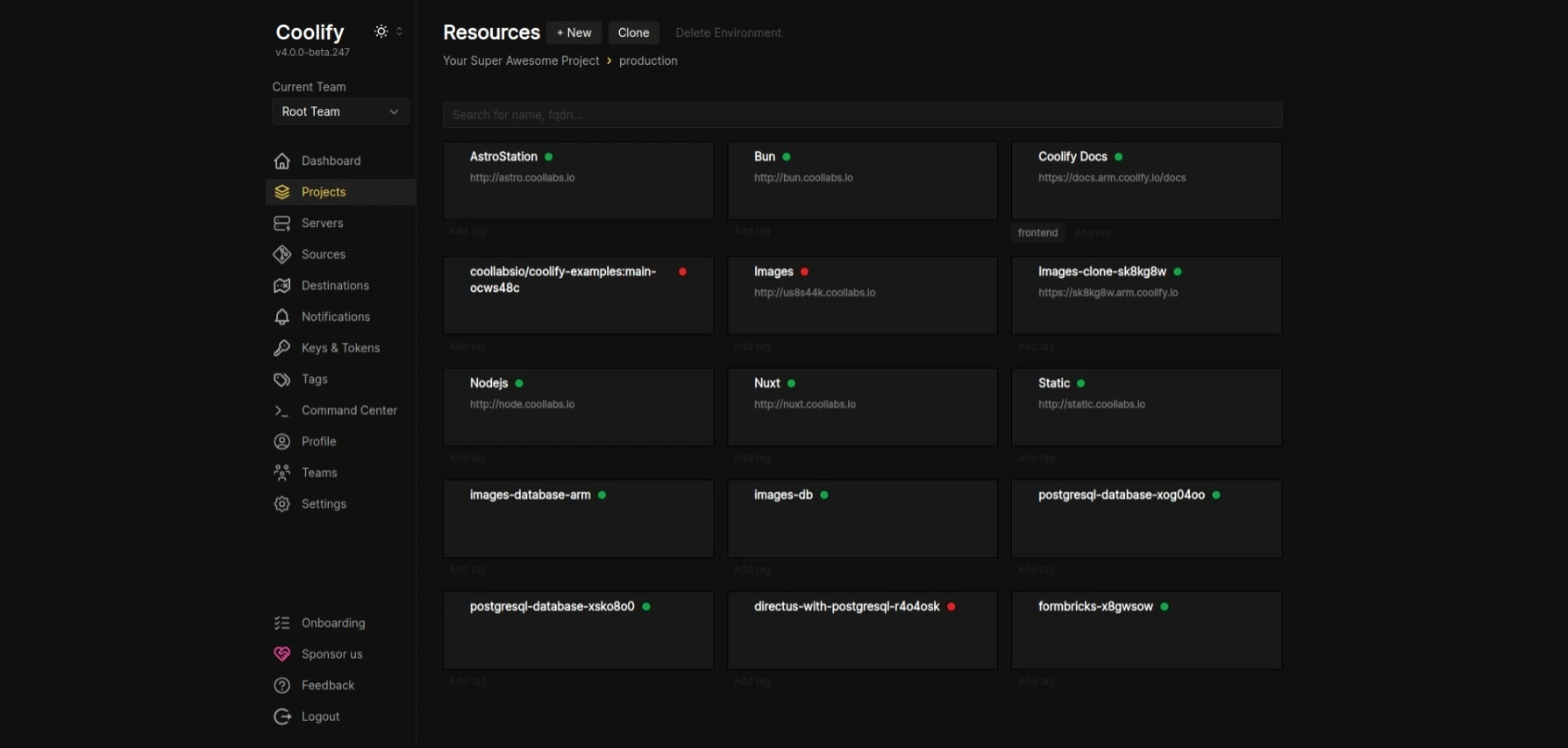
Hey {{ subscriber.first_name | strip | default: "there" }} 👋 At the beginning of the year I sat down to review my business expenses. Not the fun kind of work, but something I do at least once a year. I opened the software subscriptions category, scrolled to the bottom, and saw the total. 26,218 USD Just for tools. Not ads, not contractors, not equipment. Just monthly subscriptions to software. I’m not gonna lie, I sat there for a good minute. Because no single tool on that list felt expensive. $20 here. $99 there. Each one is nothing. Together they were eating a serious chunk of my profit every single month. So I went through the whole list. Cancelled the stuff I stopped using months ago. And for the rest, I asked one question: Is there an open-source version of this that I can host myself? Turns out, for a lot of them, there is. I ended up cutting that number roughly in half. Today I want to walk you through the 5 tools I looked at, what I actually switched, and (this part matters) what I decided NOT to self-host and why. First up: OTA updates that you can self-hostThis email is sponsored by Codemagic. If you ship React Native apps, you know the pain. You find a bug in production, you fix it in 2 minutes, and then you wait 2 days for Apple to approve a build. Over-the-air updates solve that. But every OTA service I looked at gets expensive fast once you have real users. You’re paying per MAU for what is essentially a server handing out a JS bundle. Codemagic just launched Patch, and it’s open source and self-hostable. With Patch, you run your own OTA server that you can host anywhere. It serves the updates from a CDN, which means that the downloads are fast and there is no down time, even if your server crashes. You have full control over how and when the updates are downloaded on the client. Patch supports fingerprinting, rollouts and rollbacks, binary diffs, deployment channels and everything else you need to manage OTAs. ➡️ Check out Patch and setup your own OTA server today! Where do you actually host this stuff?Most of the apps I cover in this email can run on your own machine, or even on a Raspberry Pi sitting in your closet. But in most cases you want a VPS (a virtual private server) from a cloud provider. I used AWS for years. It works, but the pricing is confusing and the bill has a habit of surprising you. More recently I found out about Hetzner from @levelsio and gave it a try. You can get a VPS for 5.99 EUR a month. That’s it. One coffee. Once you have the server, you SSH into it from your terminal and you can do anything you’d do on your own computer. Install apps, run them, expose them to the world. But please don’t manage all of that by hand. Which brings me to the next tool. Coolify (instead of Vercel or Heroku)Coolify is the layer that makes self-hosting bearable. It’s an open-source alternative to Vercel and Heroku that you run on your own server, and it gives you a dashboard to deploy websites, databases and web apps with a few clicks. Setup takes about 10 minutes:
That’s it. From that point on, every other tool in this list is a few clicks away instead of an afternoon of Docker debugging.
N8n (instead of Zapier or Pipedream)This is where my self-hosting journey actually started. I ran my automations on Zapier first, then moved to Pipedream. And these aren’t toy automations, they run real parts of my academy. Someone buys through a Stripe link and the automation gives them course access, tags them in my email system, onboards them to Discord, all of it. So the stakes were real. If it breaks, customers pay for something and get nothing. I researched the alternatives and landed on n8n. Self-hosted it on Hetzner, migrated every automation in one day, and it’s been running fine since. Cost now: zero, beyond the server that’s already running other things. Postiz (instead of Hootsuite)Traditional social media schedulers are ridiculously expensive. I was paying $1669 per year for Hootsuite to… schedule posts. Then I found out that a fellow indie dev, Nevo David, built Postiz. Open source, self-hostable, and honestly nicer to use. Here’s where I’ll be honest instead of selling you the dream: I started self-hosting it and hit a wall. To self-host it, you need to create your own TikTok app. After a couple of failed attempts to get TikTok to approve mine, I decided it wasn’t worth the time and moved to their hosted version, because the price is fair. But the option is there. If TikTok ever stops being TikTok, or the pricing changes, I can move it to my own server in an afternoon. That optionality is worth something on its own. Umami or Plausible (instead of Google Analytics)With everything else on this list, the reason to self-host is price. With analytics, it’s privacy. Google Analytics is free for a reason. You’re still paying, just not with money. For web analytics, Plausible and Umami are both great. I self-hosted Umami for one project and it worked really well. The best part wasn’t even the privacy, it was having direct access to the database, because I wanted to pull analytics data into the product itself. Try doing that with GA. PostHogWeb analytics is one thing. For mobile apps I needed proper product analytics. I started on Amplitude and switched to PostHog. PostHog is open source and self-hostable, Amplitude isn’t. Which fits this email perfectly. The truth is, that played almost no role in my decision. I switched because PostHog is better for what I do. And here’s the part I want you to actually take away: Just because you can self-host something, doesn’t mean you should. There’s a list of tools I could self-host today and won’t. PostHog, Supabase, Sentry. All of them. Because we always pay. Sometimes with money, sometimes with time, sometimes with our data. And sometimes with reliability and peace of mind. Picture this: my self-hosted Supabase goes down while I’m on vacation, and thousands of users can’t open my apps. I’m on a beach with my laptop, debugging Postgres. No thanks. That $25/month is the cheapest thing I buy all month. The rule I landed on: self-host the things where downtime is annoying (automations, analytics, schedulers, OTA), pay for the things where downtime is a business emergency. What I’m keeping an eye onThree more that are on my list:
Now I’m curious about you. Have you self-hosted any tools that might help me as well? Hit reply and tell me. Would love to learn from you. Cheers, PS. If you want to see the full setup (Hetzner, Coolify, n8n and the Patch OTA server), the video is up here: watch on youtube. And yes, the whole thing runs on one 5.99 EUR server 😀 |